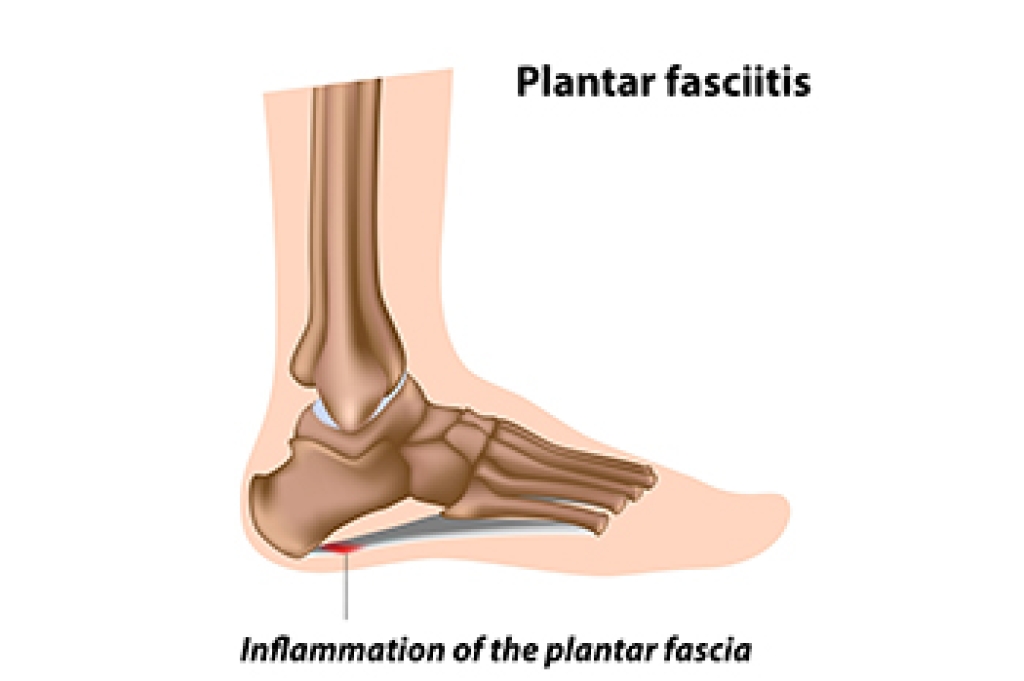
Heel Pain May Indicate Plantar Fasciitis

Plantar fasciitis is a common reason people experience heel pain. It happens when the plantar fascia becomes irritated or strained. This strong band of tissue runs from the heel bone toward the toes. It supports your foot arch and helps to absorb impact as you walk. One of the most noticeable signs is a sharp pain under the heel. For many people, those first steps in the morning are especially painful. The discomfort may ease as you start moving. However, it can return after standing or walking for a long time.

A few everyday factors can make plantar fasciitis more likely. Wearing shoes without enough support can place extra pressure on the plantar fascia. Spending hours on your feet may also increase strain. Activities like running can put repeated stress on the heel. Flat feet or high arches may affect how your weight is distributed. Tight calf muscles can also change the way your foot moves, and carrying extra weight may increase pressure on the heel. Plantar fasciitis often develops slowly, and it can appear after suddenly increasing your activity.

When heel pain does not improve, a podiatrist can help determine what is causing it. Your podiatrist will discuss your symptoms and examine your foot. Imaging tests may also be used if another condition needs to be considered. Your podiatrist may also suggest stretching exercises for your calf and plantar fascia. The goal is to reduce stress on the heel while helping your foot function comfortably.

Feeling better from plantar fasciitis can take patience. Increasing activity gradually may help prevent another flare-up. It is also helpful to avoid sudden changes in exercise routines. Consistent heel pain should not be something you simply live with. Getting podiatric care can help prevent the problem from becoming persistent. If you have heel pain, it is suggested that you consult a podiatrist who can accurately diagnose and effectively treat plantar fasciitis.

Plantar fasciitis can be very painful and inconvenient. If you are experiencing heel pain or symptoms of plantar fasciitis, contact Richard P. Jacoby, DPM  from Extremity Health Centers. Our doctor can provide the care you need to keep you pain-free and on your feet.

What Is Plantar Fasciitis?

Plantar fasciitis is the inflammation of the thick band of tissue that runs along the bottom of your foot, known as the plantar fascia, and causes mild to severe heel pain.

What Causes Plantar Fasciitis?

  • Excessive running
  • Non-supportive shoes
  • Overpronation
  • Repeated stretching and tearing of the plantar fascia

How Can It Be Treated?

  • Conservative measures – anti-inflammatories, ice packs, stretching exercises, physical therapy, orthotic devices
  • Shockwave therapy – sound waves are sent to the affected area to facilitate healing and are usually used for chronic cases of plantar fasciitis
  • Surgery – usually only used as a last resort when all else fails. The plantar fascia can be surgically detached from the heel

While very treatable, plantar fasciitis is definitely not something that should be ignored. Especially in severe cases, speaking to your doctor right away is highly recommended to avoid complications and severe heel pain. Your podiatrist can work with you to provide the appropriate treatment options tailored to your condition.

If you have any questions, please feel free to contact one of our offices located in Scottsdale and Buckeye, AZ . We offer the newest diagnostic and treatment technologies for all your foot care needs.

Read more about Plantar Fasciitis

Burning Feet and What the Sensation May Mean

Burning on the bottom of the feet can feel like heat, pins and needles, or prickling. This sensation is often called paresthesia and may develop after activity. Symptoms can range from mild irritation to discomfort that affects walking. Common causes include nerve irritation, fungal infections, and forefoot pressure. Risk factors include diabetes, excessive sweating, and standing. Identifying the cause is important because burning feet can require different treatments.

A fungal infection can cause burning when irritated skin develops between the toes. Other symptoms may include itching, scaling, and cracking. Peripheral neuropathy affects nerves that carry signals between the feet and brain. It may cause burning, numbness, or sensitivity. Diabetes is an important risk factor. Morton’s neuroma involves irritation of a nerve between the toes. It may cause burning pain, tingling, or a pebble-like feeling inside the shoe. Tight shoes and forefoot pressure can increase risk.


A podiatrist begins by reviewing your symptoms, health history, and footwear. The feet may be examined for skin changes, nerve sensitivity, and pressure points. Testing may be recommended when symptoms suggest neuropathy or another underlying condition. Treatment depends on the cause and may include antifungal medication, footwear changes, or medication recommendations for nerve discomfort. A podiatrist may monitor healing and address contributing foot problems to reduce irritation and protect healthy skin.


Burning feet should not be ignored when symptoms persist, worsen, or interfere with daily activities. Early evaluation can help identify the cause. Keeping feet clean and dry, choosing properly fitted shoes, and checking the skin regularly can support foot health. Many causes can be managed effectively and safely with proper treatment. If you have a burning sensation on the bottom of your feet, it is suggested that you consult a podiatrist for an accurate diagnosis and appropriate treatment.

Foot Pain

Foot pain can be extremely painful and debilitating. If you have a foot pain, consult with Richard P. Jacoby, DPM from Extremity Health Centers. Our doctor will assess your condition and provide you with quality foot and ankle treatment.

Causes

Foot pain is a very broad condition that could be caused by one or more ailments. The most common include:

  • Bunions
  • Hammertoes
  • Plantar Fasciitis
  • Bone Spurs
  • Corns
  • Tarsal Tunnel Syndrome
  • Ingrown Toenails
  • Arthritis (such as Gout, Rheumatoid, and Osteoarthritis)
  • Flat Feet
  • Injury (from stress fractures, broken toe, foot, ankle, Achilles tendon ruptures, and sprains)
  • And more

Diagnosis

To figure out the cause of foot pain, podiatrists utilize several different methods. This can range from simple visual inspections and sensation tests to X-rays and MRI scans. Prior medical history, family medical history, and any recent physical traumatic events will all be taken into consideration for a proper diagnosis.

Treatment

Treatment depends upon the cause of the foot pain. Whether it is resting, staying off the foot, or having surgery; podiatrists have a number of treatment options available for foot pain.

If you have any questions, please feel free to contact one of our offices located in Scottsdale and Buckeye, AZ . We offer the newest diagnostic and treatment technologies for all your foot care needs.

Read more about Foot Pain

Connect With Us

Advanced Podiatric Procedures & Services in the Maricopa County, AZ: Scottsdale, Phoenix, Tempe, Fountain Hills, Paradise Valley, Cave Creek, Carefree, Buckeye, Goodyear, Litchfield Park, Avondale, Sun City, Sun City West, Pinal County, AZ: Queen Creek, San Tan Valley areas