
Choosing the Right Running Shoes for Beginners

Starting to run is easier when shoes fit well and match your needs. A beginner does not need the most expensive pair, but comfort and proper support are important. Running shoes should feel secure around the heel without rubbing or slipping. The toe box should provide enough space for the toes to spread without pressing against the front. Since feet can swell while running, a thumb’s width of space beyond the longest toe is helpful. Shop for shoes later in the day, when the feet are slightly larger. Try on both shoes with the type of socks you plan to use for running.

Running shoes are made with different levels of cushioning, flexibility, and support. The right features depend on your foot shape and how your feet move. Some runners have arches that flatten too much with each step, while others have high arches that absorb less shock. Consider the surfaces where you plan to run. Road-running shoes are designed for pavement and other smooth surfaces. Trail-running shoes provide added grip for dirt paths, rocks, and uneven ground. Replace shoes when the soles become worn, cushioning feels flat, or new pain develops.

A podiatrist can examine your feet and evaluate how you stand, walk, and run. This assessment can identify flat feet, high arches, or unusual foot movement that may raise the risk of injury. Custom orthotics may also be prescribed to improve support and control harmful movement inside the shoe. New runners should increase their distance gradually and pay attention to persistent discomfort. Pain in the heel, arch, or ankle can indicate that the shoes do not fit correctly. It can also signal an injury that needs professional care. If your feet hurt after running, it is suggested that you consult a podiatrist who can offer effective treatment solutions and additional guidance on how to choose running shoes that are right for you.

You should always make sure your running shoes fit properly in order to avoid injury. For more information, contact Richard P. Jacoby, DPM from Extremity Health Centers. Our doctor can provide the care you need to keep you pain-free and on your feet.

Choosing the Right Running Shoe for Your Foot Type

Improper shoe sizing can cause a myriad of problems for your feet. Shoes that don’t fit you properly can lead to muscular imbalances in your body, which can result in foot, knee, and hip injuries.

Tips for Finding the Right Running Shoe

  • Make sure you have a thumb’s width of wiggle room between the end of your longest toe and the front of the shoe.
  • There should be little to no slipping at the heel
  • Don’t assume your size in one shoe brand will be your size in another
  • Do not lace up your shoes too tightly
  • Walk around in the store with your new shoes before you buy them

If you have any questions, please feel free to contact one of our offices located in Scottsdale and Buckeye, AZ . We offer the newest diagnostic and treatment technologies for all your foot care needs.
Read more about Choosing the Right Running Shoe

Warning Signs of Ingrown Toenails

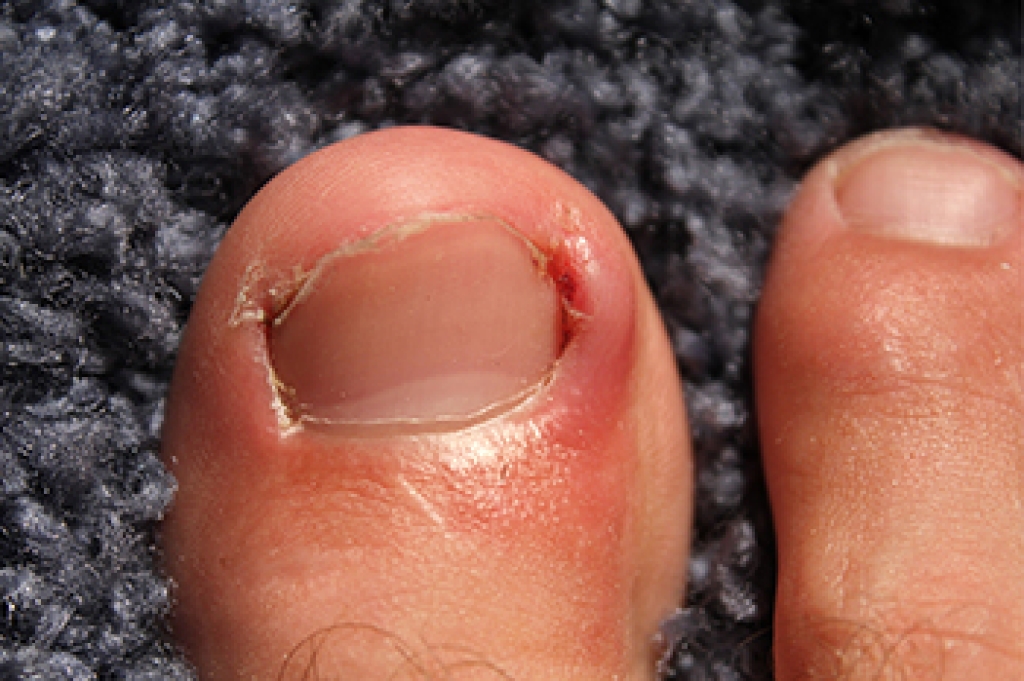
An ingrown toenail occurs when the edge of a toenail grows into the surrounding skin instead of growing forward. Early symptoms may include tenderness, redness, and discomfort along one side of the nail. As irritation increases, the skin around the nail may swell and become painful. Severe pain can make walking or wearing shoes uncomfortable. Recognizing these signs early can help prevent the problem from becoming harder to treat.

Several factors can cause or increase risk for an ingrown toenail. Cutting toenails too short can encourage the nail edge to grow into nearby skin. Wearing tight shoes can place pressure on the toes and cause irritation. Obesity may increase pressure on the feet and raise the risk. Each factor can leave clues. A nail cut very short may have sharp edges, tight shoes may cause pressure marks, and increased foot pressure may worsen tenderness.


A podiatrist will examine the toenail and surrounding skin to assess severity. Mild cases may be treated by gently lifting the nail edge and recommending proper nail care. The podiatrist may recommend footwear with enough room for the toes. If there is significant swelling, drainage, or severe pain, a small portion of the nail may be removed to relieve pressure. If infection is present, appropriate medication may be prescribed. Treatment can reduce discomfort and help the nail grow normally.


You can reduce your risk by trimming toenails straight across and avoiding cuts that are too short. Choose comfortable shoes with adequate toe room, and keep feet clean and dry. Do not dig into the nail or cut deeply into the corners, to avoid worsening irritation. Podiatric care is needed when redness, swelling, or pain continues. If you have a painful ingrown toenail, it is suggested that you consult a podiatrist for effective treatment solutions, which may include minor surgery for relief.

Ingrown toenails may initially present themselves as a minor discomfort, but they may progress into an infection in the skin without proper treatment. For more information about ingrown toenails, contact Richard P. Jacoby, DPM of Extremity Health Centers. Our doctor can provide the care you need to keep you pain-free and on your feet.

Ingrown Toenails

Ingrown toenails are caused when the corner or side of a toenail grows into the soft flesh surrounding it. They often result in redness, swelling, pain, and in some cases, infection. This condition typically affects the big toe and may recur if it is not treated properly.

Causes

  • Improper toenail trimming
  • Genetics
  • Improper shoe fitting
  • Injury from pedicures or nail picking
  • Abnormal gait
  • Poor hygiene

You are more likely to develop an ingrown toenail if you are obese, have diabetes, arthritis, or have any fungal infection in your nails. Additionally, people who have foot or toe deformities are at a higher risk of developing an ingrown toenail.

Symptoms

Some symptoms of ingrown toenails are redness, swelling, and pain. In rare cases, there may be a yellowish drainage coming from the nail.

Treatment

Ignoring an ingrown toenail can have serious complications. Infections of the nail border can progress to a deeper soft-tissue infection, which can then turn into a bone infection. You should always speak with your podiatrist if you suspect you have an ingrown toenail, especially if you have diabetes or poor circulation.

If you have any questions, please feel free to contact one of our offices located in Scottsdale and Buckeye, AZ . We offer the newest diagnostic and treatment technologies for all your foot care needs.
Read more about Ingrown Toenail Care

Do You Suffer From Painful Feet?

Painful deformities, such as hammertoes, can be treated. Stop living with foot pain, and have beautiful feet again!

Common Causes of Gait Abnormalities in Children

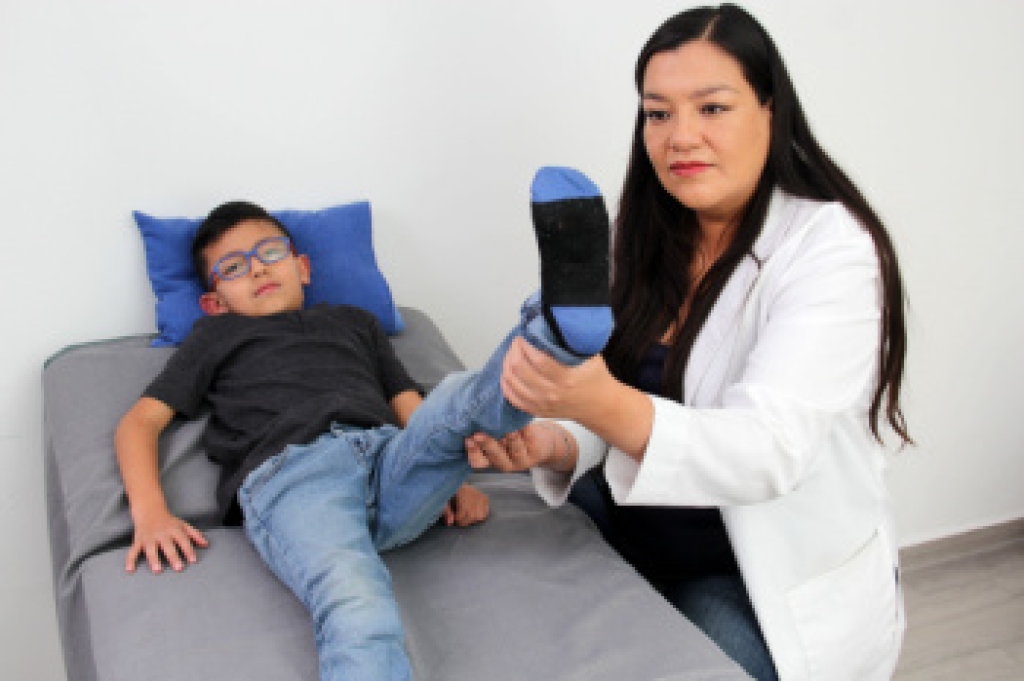
A gait abnormality is an unusual walking pattern that affects how a child places the feet, moves the legs, or maintains balance while walking. Normal gait develops as children grow, but changes in walking can sometimes indicate pain, weakness, or an underlying condition. One common example is an antalgic gait, which is caused by pain. A child with an antalgic gait may spend less time bearing weight on the affected side, and quickly shift weight to the opposite leg. Other causes include leg length discrepancy, flat feet, and joint problems. Early recognition can help prevent worsening discomfort and movement limitations.

Symptoms of gait abnormalities can vary depending on the underlying cause. Parents may notice limping, uneven steps, walking on the toes, or reluctance to participate in physical activities. Children may also complain of foot, ankle, or lower back pain. Risk factors include congenital foot differences, developmental problems, and significant differences in leg length. 


A podiatrist can evaluate the child’s walking pattern and determine whether the problem originates in the feet, ankles, or another part of the lower body. Treatment begins with a medical history and physical examination, followed by gait assessment and an evaluation of foot alignment. They may also look at joint movement, muscle strength, and leg length. Imaging may be recommended when structural concerns are suspected. Treatment can include wearing supportive footwear, custom orthotics, or treatment for an underlying foot condition. A leg length discrepancy may require specific correction based on its severity and cause.


Early treatment can improve walking efficiency, reduce pain, and support healthy movement as a child develops. Parents should not ignore persistent limping or noticeable changes in walking, especially when symptoms interfere with school, sports, or daily activities. If your child has developed an unusual walking pattern, it is suggested that you consult a podiatrist for a thorough evolution and proper management and treatment solutions. 

The health of a child’s feet is vital to their overall well-being. If you have any questions regarding foot health, contact Richard P. Jacoby, DPM of Extremity Health Centers. Our doctor can provide the care you need to keep you pain-free and on your feet.

Tips for Keeping Children's Feet Healthy

  • Make sure their shoes fit properly
  • Look for any signs of in-toeing or out-toeing
  • Check to see if they have Clubfoot (condition that affects your child’s foot and ankle, twisting the heel and toes inward) which is one of the most common nonmajor birth defects.
  • Lightly cover your baby’s feet (Tight covers may keep your baby from moving their feet freely, and could prevent normal development)
  • Allow your toddler to go shoeless (Shoes can be restricting for a young child’s foot)
  • Cut toenails straight across to avoid ingrown toenails
  • Keep your child’s foot clean and dry
  • Cover cuts and scrapes. Wash any scratches with soap and water and cover them with a bandage until they’ve healed.

If you have any questions, please feel free to contact one of our offices located in Scottsdale and Buckeye, AZ . We offer the newest diagnostic and treatment technologies for all your foot care needs.
Read more about How to Care for Your Child's Feet

Understanding Achilles Tendon Injuries in Athletes

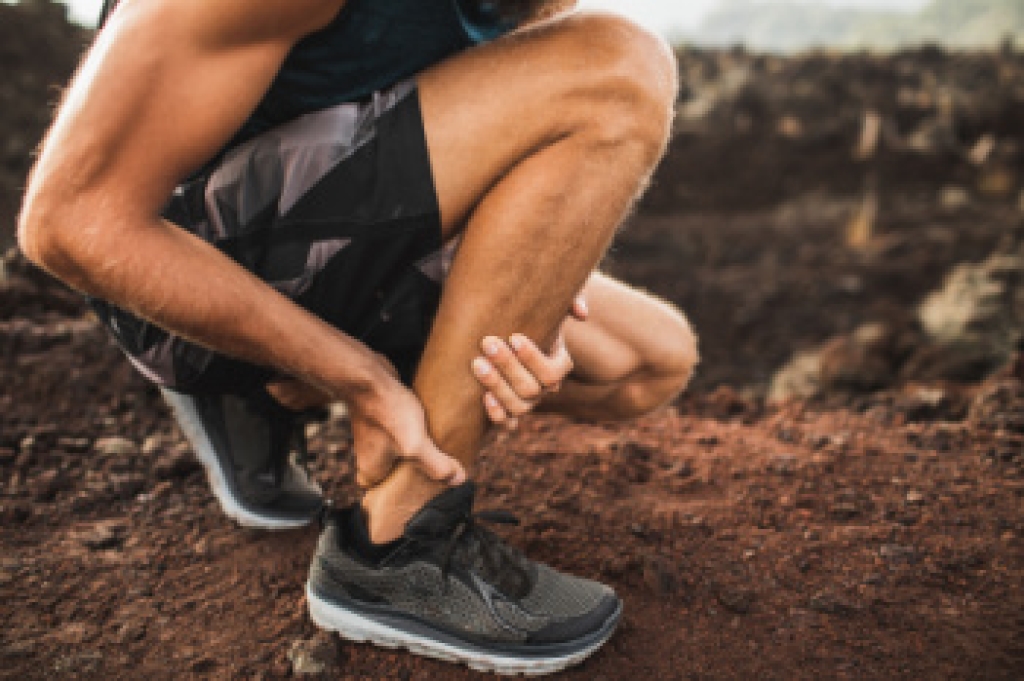
Achilles tendon injuries can affect athletes who run, jump, or make repeated lower-leg movements. The Achilles tendon connects the calf muscles to the heel, and helps the foot push off the ground. Repeated stress can irritate the tendon and cause pain or stiffness. Some athletes develop injuries after a sudden increase in training or repeated high-impact activity. Running sports can place particular stress on the Achilles tendon. Athletes can experience several types of injuries, including tendon irritation, pain where the tendon meets the heel, and partial or complete tears. Symptoms can make it difficult to run, jump, or push off with the foot.

A podiatrist can examine the ankle and foot to determine the location and severity of an Achilles tendon injury. The evaluation can include checking tenderness, strength, and how the foot and ankle work together. A podiatrist can also consider factors that contribute to repeated stress, including limited ankle movement or changes in how the foot moves. Treatment depends on the type and severity of the injury. Care can include activity guidance, treatment to reduce stress on the tendon, and a structured plan to help restore strength and movement. For athletes, the goal is to support recovery while helping them return to their sport safely.

A partial tear or complete tear require careful evaluation because the treatment approach can differ. Complete Achilles tendon ruptures can cause significant weakness and difficulty pushing off with the foot. Some athletes with severe injuries require surgery, while other Achilles tendon problems can be treated without surgery. A podiatrist can explain the treatment options based on the injury and the athlete’s goals. Getting an evaluation early can also help determine how serious the problem is and whether continued sports activity could place additional stress on the tendon. If you have an Achilles tendon injury, it is suggested that you schedule an appointment with a podiatrist for effective relief and treatment solutions.

Achilles tendon injuries need immediate attention to avoid future complications. If you have any concerns, contact Richard P. Jacoby, DPM of Extremity Health Centers. Our doctor can provide the care you need to keep you pain-free and on your feet.

What Is the Achilles Tendon?

The Achilles tendon is a tendon that connects the lower leg muscles and calf to the heel of the foot. It is the strongest tendon in the human body and is essential for making movement possible. Because this tendon is such an integral part of the body, any injuries to it can create immense difficulties and should immediately be presented to a doctor.

What Are the Symptoms of an Achilles Tendon Injury?

There are various types of injuries that can affect the Achilles tendon. The two most common injuries are Achilles tendinitis and ruptures of the tendon.

Achilles Tendinitis Symptoms

  • Inflammation
  • Dull to severe pain
  • Increased blood flow to the tendon
  • Thickening of the tendon

Rupture Symptoms

  • Extreme pain and swelling in the foot
  • Total immobility

Treatment and Prevention

Achilles tendon injuries are diagnosed by a thorough physical evaluation, which can include an MRI. Treatment involves rest, physical therapy, and in some cases, surgery. However, various preventative measures can be taken to avoid these injuries, such as:

  • Thorough stretching of the tendon before and after exercise
  • Strengthening exercises like calf raises, squats, leg curls, leg extensions, leg raises, lunges, and leg presses

If you have any questions please feel free to contact one of our offices located in Scottsdale and Buckeye, AZ . We offer the newest diagnostic tools and technology to treat your foot and ankle needs.

Read more about Achilles Tendon Injuries

Connect With Us

Advanced Podiatric Procedures & Services in the Maricopa County, AZ: Scottsdale, Phoenix, Tempe, Fountain Hills, Paradise Valley, Cave Creek, Carefree, Buckeye, Goodyear, Litchfield Park, Avondale, Sun City, Sun City West, Pinal County, AZ: Queen Creek, San Tan Valley areas