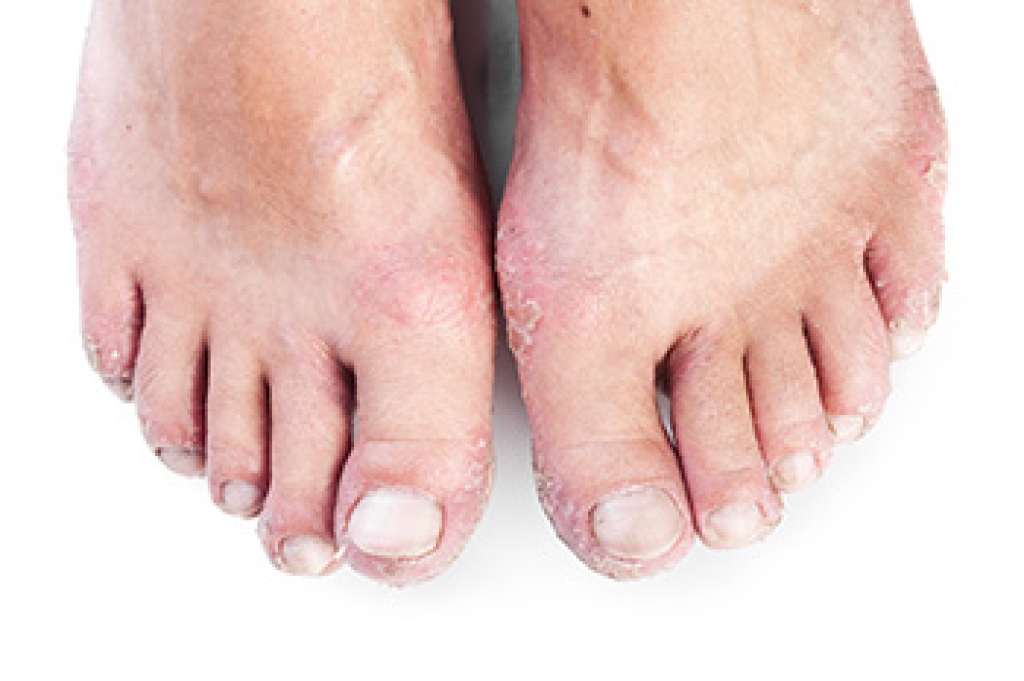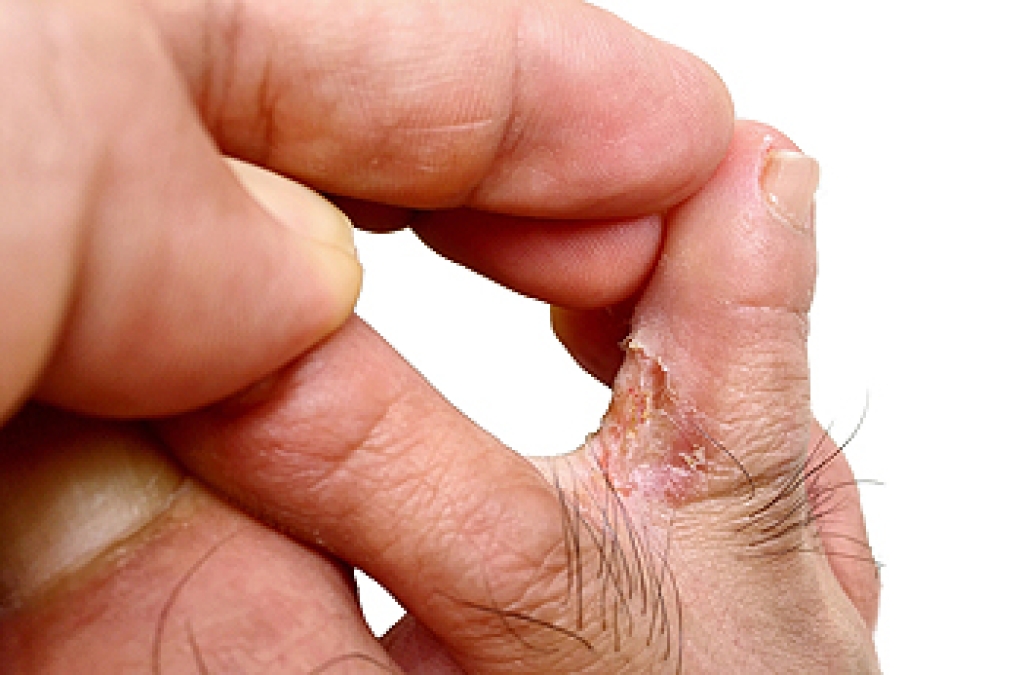
What Are the Symptoms of Athlete’s Foot?

Athlete’s foot is a fungal infection that affects the skin of the feet, especially between the toes and along the soles. Also known as tinea pedis, this condition develops when fungi called dermatophytes grow in warm, damp environments. Athlete’s foot can affect anyone, not just athletes, and it often spreads through contact with contaminated floors, shoes, or shared surfaces. 

Common symptoms of athlete’s foot include itching, peeling skin, and cracking between the toes. Some people may notice a scaly rash on the bottom or sides of the feet, while others may experience blisters or painful skin breaks. Symptoms may become more noticeable after wearing tight shoes or spending long periods in warm, sweaty footwear.


Several factors can increase the risk of developing athlete’s foot. Walking barefoot in public areas such as locker rooms, swimming pools, and communal showers can expose the feet to fungal organisms. Wearing non-breathable shoes, keeping feet damp, and having excessive foot sweating can also create conditions where fungus thrives. Not changing socks regularly may also contribute. People with a weakened immune system, certain medical conditions, or a history of recurring foot infections are at a higher risk of developing athlete’s foot.


Athlete’s foot is caused by the overgrowth of fungi that feed on dead skin cells. The infection spreads easily because these fungi can survive in moist environments and transfer from one person to another. Prevention includes keeping feet clean and dry, wearing moisture-wicking socks, and choosing breathable footwear. Avoiding sharing shoes or towels also helps. Treatment may include antifungal medications, proper foot hygiene, and professional evaluation when symptoms persist or worsen. A podiatrist can help identify the specific cause of foot irritation and recommend effective treatment options to restore healthy skin. If you have symptoms of athlete’s foot, it is suggested that you consult a podiatrist for an accurate diagnosis and appropriate treatment.

Athlete’s Foot

Athlete’s foot is often an uncomfortable condition to experience. Thankfully, podiatrists specialize in treating athlete’s foot and offer the best treatment options. If you have any questions about athlete’s foot, consult with Richard P. Jacoby, DPM from Extremity Health Centers. Our doctor will assess your condition and provide you with quality treatment.

What Is Athlete’s Foot?

Tinea pedis, more commonly known as athlete’s foot, is a non-serious and common fungal infection of the foot. Athlete’s foot is contagious and can be contracted by touching someone who has it or infected surfaces. The most common places contaminated by it are public showers, locker rooms, and swimming pools. Once contracted, it grows on feet that are left inside moist, dark, and warm shoes and socks.

Prevention

The most effective ways to prevent athlete’s foot include:

  • Thoroughly washing and drying feet
  • Avoid going barefoot in locker rooms and public showers
  • Using shower shoes in public showers
  • Wearing socks that allow the feet to breathe
  • Changing socks and shoes frequently if you sweat a lot

Symptoms

Athlete’s foot initially occurs as a rash between the toes. However, if left undiagnosed, it can spread to the sides and bottom of the feet, toenails, and if touched by hand, the hands themselves. Symptoms include:

  • Redness
  • Burning
  • Itching
  • Scaly and peeling skin

Diagnosis and Treatment

Diagnosis is quick and easy. Skin samples will be taken and either viewed under a microscope or sent to a lab for testing. Sometimes, a podiatrist can diagnose it based on simply looking at it. Once confirmed, treatment options include oral and topical antifungal medications.

If you have any questions, please feel free to contact one of our offices located in Scottsdale and Buckeye, AZ . We offer the newest diagnostic and treatment technologies for all your foot care needs.


Read more about Athlete’s Foot

Plantar Warts Can Be Treated!

Plantar warts are small growths that develop on parts of the feet that bear weight. They're typically found on the bottom of the foot. Don't live with plantar warts, and call us today!

Preventing Falls at Home for Older Adults and Protecting Foot Health

Falls at home are a common concern for older adults and can lead to serious injuries, especially involving the feet and ankles. A fall is defined as an unexpected loss of balance that results in landing on the ground or a lower surface. Several causes contribute to falls, including poor lighting, uneven surfaces, and distractions such as reading while walking. Understanding why falls happen can help reduce risk and support safer movement within the home environment.

Symptoms and warning signs that may increase fall risk include unsteady walking, dizziness, muscle weakness, and reduced balance. Risk factors include aging-related changes, vision problems, medications that affect coordination, and lack of physical activity. Limited awareness of surroundings can also play a role, especially when attention is divided between tasks. These factors can make it more difficult to react quickly and maintain stability, increasing the chance of a fall.


Falls can lead to a variety of foot and ankle conditions, including sprains, fractures, bruising, and joint pain. These injuries may affect mobility and make daily activities more challenging. Preventive strategies include improving awareness while walking, avoiding distractions, and maintaining a safe home environment. Mind-body exercises such as tai chi and yoga can improve balance and coordination. Additionally, building muscle strength through regular activity also supports stability and reduces fall risk.


Taking steps to prevent falls can protect overall health and maintain independence. Simple changes, such as improving lighting and focusing on safe movement, can make a meaningful difference. Staying active and aware supports better balance and reduces injury risk. If you have injured your foot or ankle from falling, it is suggested that you consult a podiatrist for effective treatment solutions and additional guidance on fall prevention tips.

Preventing falls among the elderly is very important. If you are older and have fallen or fear that you are prone to falling, consult with Richard P. Jacoby, DPM from Extremity Health Centers. Our doctor will assess your condition and provide you with quality advice and care.

Every 11 seconds, an elderly American is being treated in an emergency room for a fall related injury. Falls are the leading cause of head and hip injuries for those 65 and older. Due to decreases in strength, balance, senses, and lack of awareness, elderly persons are very susceptible to falling. Thankfully, there are a number of things older persons can do to prevent falls.

How to Prevent Falls

Some effective methods that older persons can do to prevent falls include:

  • Enrolling in strength and balance exercise program to increase balance and strength
  • Periodically having your sight and hearing checked
  • Discuss any medications you have with a doctor to see if it increases the risk of falling
  • Clearing the house of falling hazards and installing devices like grab bars and railings
  • Utilizing a walker or cane
  • Wearing shoes that provide good support and cushioning
  • Talking to family members about falling and increasing awareness

Falling can be a traumatic and embarrassing experience for elderly persons; this can make them less willing to leave the house, and less willing to talk to someone about their fears of falling. Doing such things, however, will increase the likelihood of tripping or losing one’s balance. Knowing the causes of falling and how to prevent them is the best way to mitigate the risk of serious injury.  

If you have any questions, please feel free to contact one of our offices located in Scottsdale and Buckeye, AZ . We offer the newest diagnostic and treatment technologies for all your foot care needs.
Read more about Falls Prevention

Causes of Swollen Feet and Ankles

Swollen feet and ankles, also known as edema, occur when excess fluid builds up in the tissues of the lower extremities. This condition can affect one or both feet and may develop gradually or suddenly, depending on the cause. Edema is often a sign that the body is retaining fluid due to changes in circulation, pressure, or underlying health concerns. While mild swelling can be temporary, persistent or worsening symptoms may indicate a more serious issue that requires medical attention.

Common symptoms of swollen feet and ankles include visible puffiness, stretched or shiny skin, and a feeling of tightness in the affected area. Pressing on the skin may leave an indentation, which is known as pitting edema. Some individuals experience discomfort, reduced flexibility, or difficulty walking. Swelling may worsen after long periods of standing or sitting and improve with elevation. In more advanced cases, the skin may feel warm or appear discolored, which can signal inflammation or poor circulation.


There are several causes of swelling in the feet and ankles. Pregnancy is a common factor, as increased fluid volume and pressure from the growing uterus can affect blood flow. Medical conditions such as heart disease, kidney disease, and venous insufficiency can also lead to fluid retention. Injuries, infections, and certain medications may contribute to swelling as well. Lifestyle factors, including high sodium intake and lack of movement, can further increase the likelihood of developing edema.


Risk factors for swollen feet and ankles include prolonged standing, obesity, and chronic health conditions that affect circulation. Wearing tight or poorly fitted footwear may restrict blood flow and worsen symptoms. Individuals with a sedentary lifestyle or those who travel frequently may also experience fluid buildup. Managing swollen feet involves addressing the underlying cause and supporting healthy circulation. If you have swollen feet or ankles, it is suggested that you consult a podiatrist who can determine what the cause is, and offer effective relief and management tips.

Swollen feet can be a sign of an underlying condition. If you have any concerns, contact Richard P. Jacoby, DPM of Extremity Health Centers. Our doctor can provide the care you need to keep you pain-free and on your feet.

Swollen feet are a common ailment among pregnant women and people who stand or sit for extended periods. Aging may increase the possibility of swollen feet and patients who are obese often notice when their feet are swelling too. There may be medical reasons why swollen feet occur:

  • Phlebitis - A condition that causes the veins to become inflamed and can also cause leg pain.
  • Liver disease - This may lead to low blood levels of albumin which is a protein. This can cause fluid in the blood to pass into the tissues and several areas of the body can become swollen.
  • Heart failure - When the heart doesn’t pump properly the blood that is normally pumped back to the heart can pool in the veins of the legs causing swollen feet.
  • Kidney disease - One of the main functions of the kidneys is releasing excess fluid in the body. This type of condition can make it difficult for the kidneys to function properly, and as a result the feet may become swollen.
  • Deep-vein thrombosis (DVT)- This is a serious condition where blood clots form in the veins of the legs. They can block the return of blood from the legs to the heart which may cause the feet to swell. It is important to be treated by a podiatrist if this condition is present.

Swollen feet can also be caused by bone and tendon conditions, including fractures, arthritis, and tendinitis. Additionally, there may be skin and toenail conditions and an infection may cause the feet to swell. Patients who take medicine to treat high blood pressure may be prone to getting swollen feet. 

Many patients elevate their feet to help relieve the swelling and this is generally a temporary remedy. When a podiatrist is consulted the reason behind the swelling can be uncovered and subsequently treated.

If you have any questions please contact one of our offices located in Scottsdale and Buckeye, AZ . We offer the newest diagnostic and treatment technologies for all your foot and ankle needs.

Read more about Swelling of the Feet

Psoriatic Arthritis Symptoms in the Feet and Ankles

Psoriatic arthritis is an inflammatory condition linked to psoriasis that can affect the joints in the feet and ankles. It causes pain, swelling, and stiffness that can make standing or walking uncomfortable. Some patients have swollen toes that create a sausage-like appearance. Others develop pain where a tendon or ligament attaches to a bone that frequently affects the heel or the bottom of the foot. Changes in foot shape can also develop, making it harder to find shoes that fit comfortably and provide proper support.

Psoriatic arthritis can also affect the toenails. Small dents in the nail surface or nails that lift away from the nail bed are signs that should not be ignored. These changes can appear along with painful joints or develop before joint symptoms become obvious. Swelling in the ankles, feet, or toes can limit movement and reduce balance while walking. Pain in the heel, sole, or toes can interfere with daily activities. Symptoms sometimes come and go, but repeated inflammation can damage joints and reduce normal foot function without proper care. Early attention is important because lasting joint damage can begin before severe pain develops. 

A podiatrist plays an important role in diagnosing and managing psoriatic arthritis affecting the feet. The examination includes checking for joint swelling, changes in foot shape, and nail problems that can be linked to the condition. Imaging studies can show joint damage and help confirm the diagnosis. Treatment options include custom orthotics to improve foot support and reduce pressure on painful areas. A podiatrist also recommends shoes that provide proper support and enough room for swollen or misshapen joints. Regular follow-up visits help track changes in the feet and ankles and allow treatment to be adjusted as symptoms change. If you have symptoms of psoriatic arthritis in the feet, it is suggested that you schedule an appointment with a podiatrist for effective relief and management tips.

Arthritis can be a difficult condition to live with. If you are seeking treatment, contact Richard P. Jacoby, DPM from Extremity Health Centers. Our doctor can provide the care you need to keep you pain-free and on your feet.

Arthritic Foot Care  

Arthritis is a joint disorder that involves the inflammation of different joints in your body, such as those in your feet. Arthritis is often caused by a degenerative joint disease and causes mild to severe pain in all affected areas. In addition to this, swelling and stiffness in the affected joints can also be a common symptom of arthritis.

In many cases, wearing ill-fitting shoes can worsen the effects and pain of arthritis. Wearing shoes that have a lower heel and extra room can help your feet feel more comfortable. In cases of rheumatoid arthritis, the arch in your foot may become problematic. Buying shoes with proper arch support that contour to your feet can help immensely.

Alleviating Arthritic Pain

  • Exercises that stretch the foot can prevent further pain and injury and increase mobility
  • Most of the pain can be alleviated with anti-inflammatory drugs, heat, and topical medications
  • Massages can help temporarily alleviate pain.

It is best to see your doctor for the treatment that is right for your needs and symptoms. Conditions vary, and a podiatrist can help you determine the right method of care for your feet.

If you have any questions please feel free to contact one of our offices located in Scottsdale and Buckeye, AZ . We offer the newest diagnostic tools and technology to treat your foot and ankle needs.

Read more about Arthritic Foot Care

Connect With Us

Advanced Podiatric Procedures & Services in the Maricopa County, AZ: Scottsdale, Phoenix, Tempe, Fountain Hills, Paradise Valley, Cave Creek, Carefree, Buckeye, Goodyear, Litchfield Park, Avondale, Sun City, Sun City West, Pinal County, AZ: Queen Creek, San Tan Valley areas