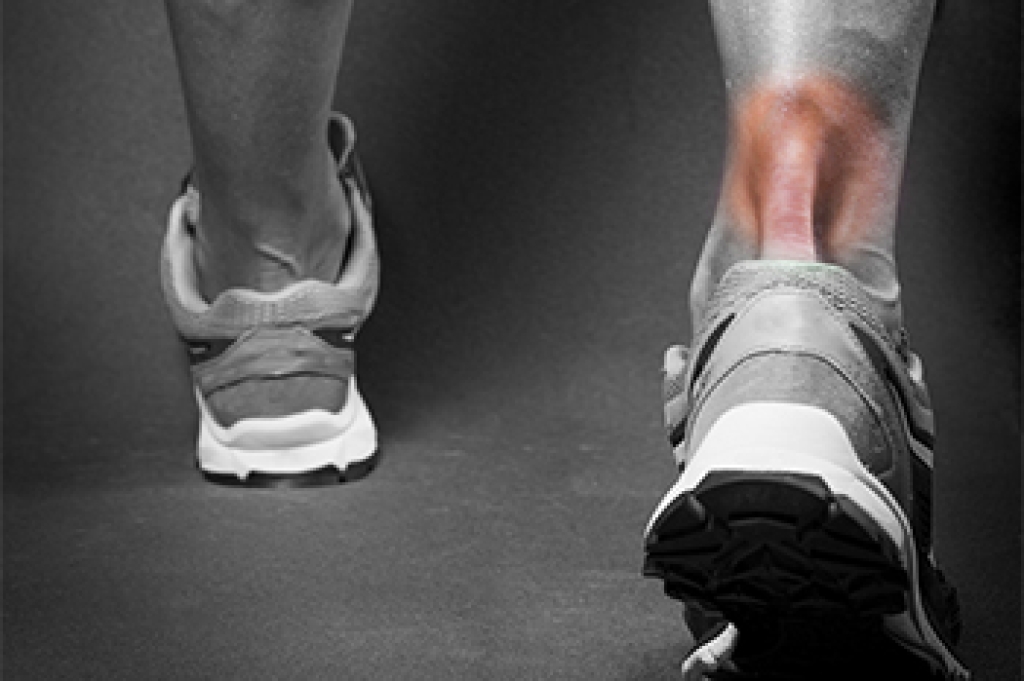
Diabetes can affect much more than blood sugar levels. It can also increase the risk of falls, especially in older adults. One reason is that diabetes can damage nerves in the feet, a condition called neuropathy. Neuropathy can reduce feeling in the feet and make it harder to notice the ground beneath you. This loss of sensation can affect balance and stability. Diabetes can also cause foot pain, muscle weakness, and changes in the way a person walks. These problems make it more difficult to move safely while walking and increase the chance of losing balance. Research has shown that people with diabetes experience falls more frequently than those without the condition.
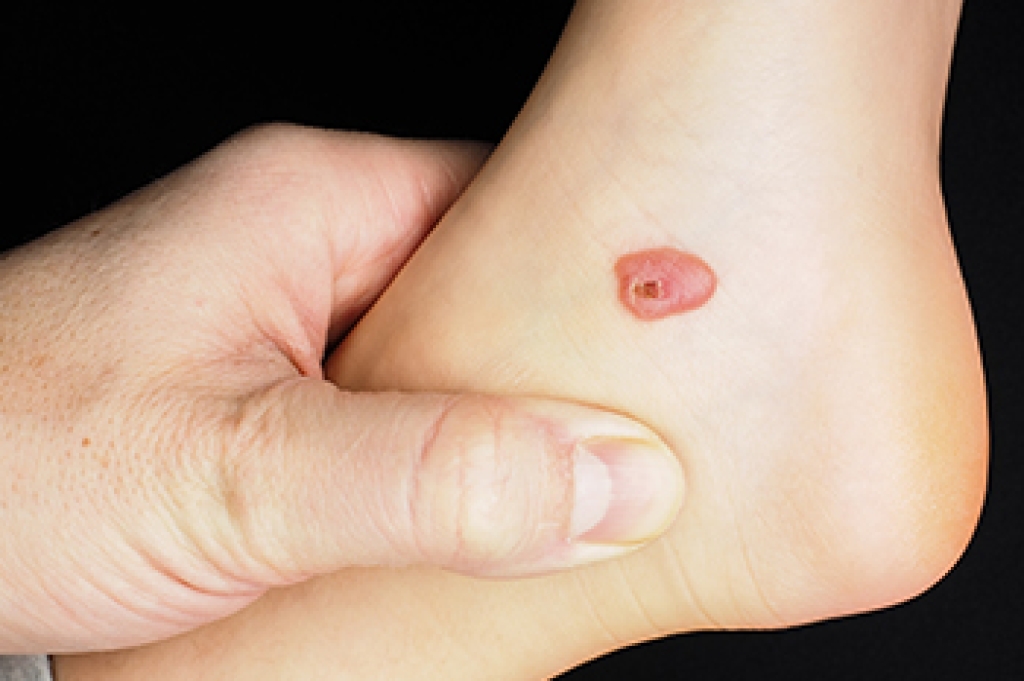
Falls can lead to serious injuries. Broken bones, foot injuries, and ankle injuries can affect mobility and independence. People with diabetes also face challenges related to circulation and nerve function, which can make recovery from injuries more difficult. Some diabetics use special off-loading footwear to reduce pressure on certain areas of the feet. Off-loading means taking pressure away from an injured area to protect it. While these devices can be important for foot health, they can sometimes affect balance and walking patterns. Certain diabetes medications can also contribute to dizziness or unsteadiness, increasing fall risk.
A podiatrist plays an important role in helping reduce fall risk in diabetics. This type of doctor can evaluate foot structure, balance, and walking patterns. They can identify areas of weakness and detect nerve-related foot problems. They can also assess footwear and recommend options that improve stability. Regular foot examinations can help detect changes before they become serious problems. Early diagnosis and professional care can help patients remain active and move with greater confidence. If you have diabetes, have fallen, or feel you may be at risk of falling, it is suggested that you schedule an appointment with a podiatrist for effective relief and management solutions.
Preventing falls among the elderly is very important. If you are older and have fallen or fear that you are prone to falling, consult with Richard P. Jacoby, DPM from Extremity Health Centers. Our doctor will assess your condition and provide you with quality advice and care.
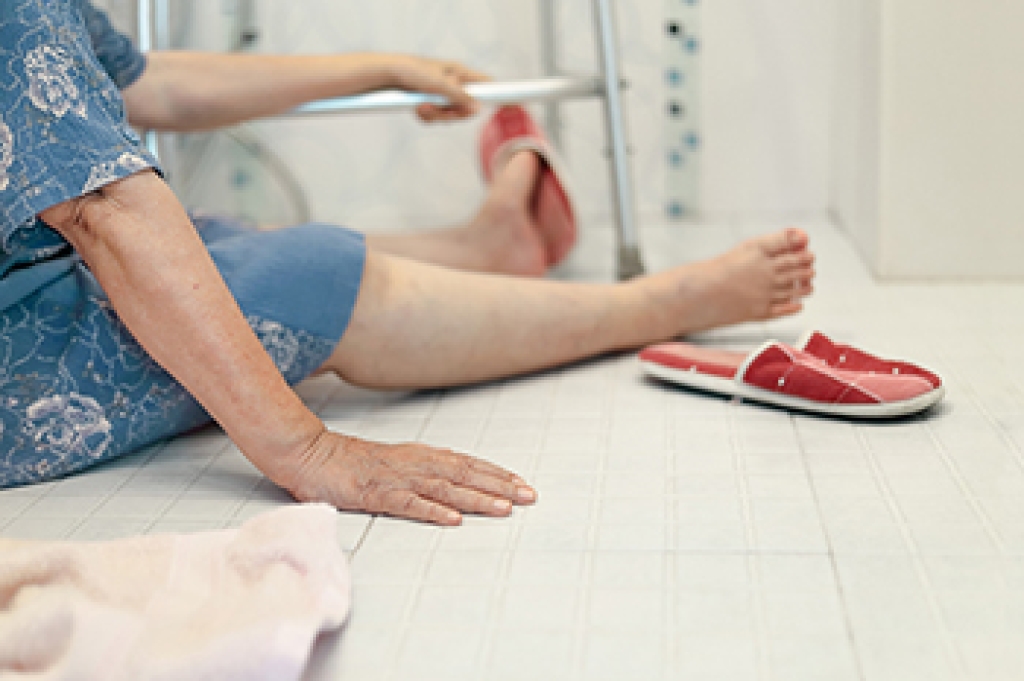
Every 11 seconds, an elderly American is being treated in an emergency room for a fall related injury. Falls are the leading cause of head and hip injuries for those 65 and older. Due to decreases in strength, balance, senses, and lack of awareness, elderly persons are very susceptible to falling. Thankfully, there are a number of things older persons can do to prevent falls.
How to Prevent Falls
Some effective methods that older persons can do to prevent falls include:
- Enrolling in strength and balance exercise program to increase balance and strength
- Periodically having your sight and hearing checked
- Discuss any medications you have with a doctor to see if it increases the risk of falling
- Clearing the house of falling hazards and installing devices like grab bars and railings
- Utilizing a walker or cane
- Wearing shoes that provide good support and cushioning
- Talking to family members about falling and increasing awareness
Falling can be a traumatic and embarrassing experience for elderly persons; this can make them less willing to leave the house, and less willing to talk to someone about their fears of falling. Doing such things, however, will increase the likelihood of tripping or losing one’s balance. Knowing the causes of falling and how to prevent them is the best way to mitigate the risk of serious injury.
If you have any questions, please feel free to contact one of our offices located in Scottsdale and Buckeye, AZ . We offer the newest diagnostic and treatment technologies for all your foot care needs.