Diabetic Blisters on the Feet

Bullosis diabeticorum, also known as diabetic bullae or bullous eruption of diabetes mellitus, is a rare skin condition linked to diabetes. It causes sudden, painless fluid-filled blisters on the feet, toes, or lower legs. The term bullae means large blisters, and eruption refers to a sudden appearance on the skin. Symptoms include clear, tense blisters that may look like burns but occur without injury. They usually are not red or itchy but can break and risk infection. This condition most often affects adults with long-standing or poorly controlled blood sugar levels. Nerve damage and poor circulation are thought to contribute. Treatment may involve wound care, sterile dressings, and monitoring, along with blood sugar control to reduce recurrence. Early attention helps avoid complications and speeds recovery. If you are diabetic and have blisters on your feet or ankles, it is strongly suggested that you see a podiatrist for a proper diagnosis appropriate and treatment.

Blisters are prone to making everyday activities extremely uncomfortable. If your feet are hurting, contact Richard P. Jacoby, DPM of Extremity Health Centers. Our doctor can provide the care you need to keep you pain-free and on your feet.

Foot Blisters

Foot blisters develop as a result of constantly wearing tight or ill-fitting footwear. This happens due to the constant rubbing from the shoe, which can often lead to pain.

What Are Foot Blisters?

A foot blister is a small fluid-filled pocket that forms on the upper-most layer of the skin. Blisters are filled with clear fluid and can lead to blood drainage or pus if the area becomes infected.

How Do Blisters Form?

Blisters on the feet are often the result of constant friction of skin and material, usually by shoe rubbing. Walking in sandals, boots, or shoes that don’t fit properly for long periods of time can result in a blister. Having consistent foot moisture and humidity can easily lead to blister formation.

Prevention & Treatment

It is important to properly care for the affected area in order to prevent infection and ease the pain. Do not lance the blister and use a Band-Aid to provide pain relief. Also, be sure to keep your feet dry and wear proper fitting shoes. If you see blood or pus in a blister, seek assistance from a podiatrist.

If you have any questions, please feel free to contact one of our offices located in Scottsdale and Buckeye, AZ . We offer the newest diagnostic and treatment technologies for all your foot care needs.

Read more about Blisters

Are You Suffering From Ingrown Toenails?

If left untreated, an ingrown toenail can lead to more serious concerns, such as an infection. Knowing proper nail care can help in the prevention of an ingrown toenail. Give us a call, and get treated!

What Causes Heel Spurs?

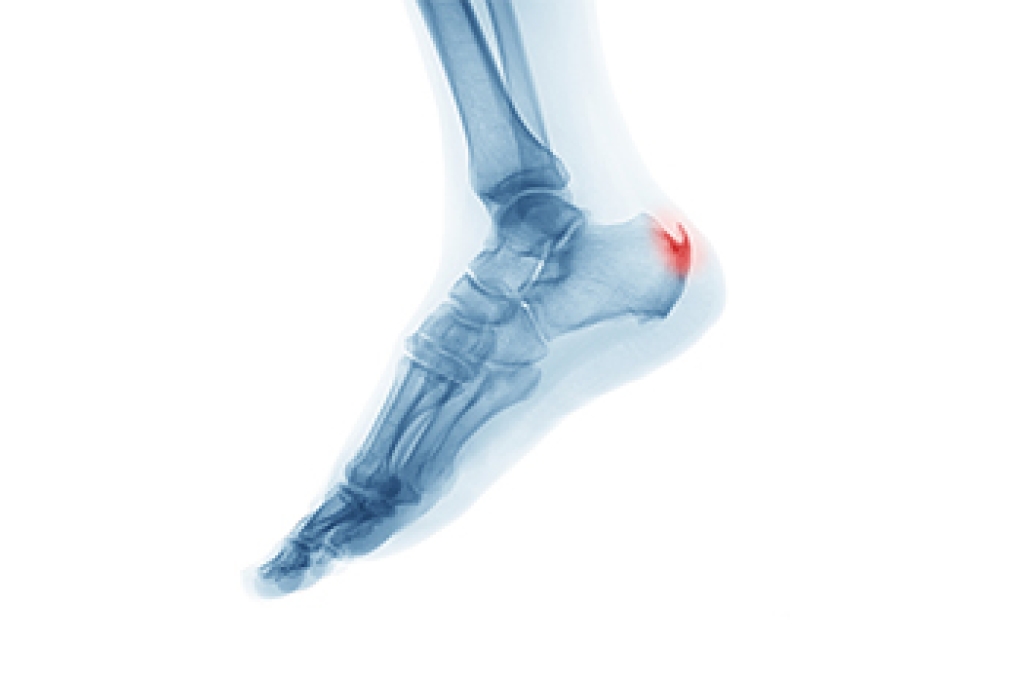
A heel spur is a bony growth that develops on the underside of the heel, often associated with inflammation of the foot muscles and ligaments. It commonly forms over time due to repetitive stress and strain on the plantar fascia, the strong band of tissue running from the heels to the toes. Symptoms include heel pain that may feel sharp or aching and is often worse after periods of rest or when first standing. Risk factors include high impact activities, sudden increases in exercise intensity, wearing improper footwear, and prolonged standing. Without proper care, discomfort may persist and affect mobility. A podiatrist can help by diagnosing the condition, reducing inflammation, and recommending supportive treatments. If you have heel pain and it has become difficult to complete daily activities, it is suggested that you consult a podiatrist who can guide you toward effective relief solutions.

Heel spurs can be incredibly painful and sometimes may make you unable to participate in physical activities. To get medical care for your heel spurs, contact Richard P. Jacoby, DPM from Extremity Health Centers. Our doctor will do everything possible to treat your condition.

Heels Spurs

Heel spurs are formed by calcium deposits on the back of the foot where the heel is. This can also be caused by small fragments of bone breaking off one section of the foot, attaching onto the back of the foot. Heel spurs can also be bone growth on the back of the foot and may grow in the direction of the arch of the foot.

Older individuals usually suffer from heel spurs and pain sometimes intensifies with age. One of the main condition's spurs are related to is plantar fasciitis.

Pain

The pain associated with spurs is often because of weight placed on the feet. When someone is walking, their entire weight is concentrated on the feet. Bone spurs then have the tendency to affect other bones and tissues around the foot. As the pain continues, the feet will become tender and sensitive over time.

Treatments

There are many ways to treat heel spurs. If one is suffering from heel spurs in conjunction with pain, there are several methods for healing. Medication, surgery, and herbal care are some options.

If you have any questions, please feel free to contact one of our offices located in Scottsdale and Buckeye, AZ . We offer the newest diagnostic and treatment technologies for all your foot care needs.

Read more about Heel Spurs

A Rare Ankle Fracture and What It Means

Some ankle fractures involve more than a simple break, and can affect multiple structures at once. In a less common pattern, the talus, a central bone in the ankle, can split from front to back while the inner ankle bone is also fractured. This type of injury may occur when the foot is forced downward with a twisting motion and strong pressure through the joint. These combined forces create instability and require careful management. Treatment often involves a surgical approach to realign the bones and secure them with screws so they can heal in the correct position. With proper healing and targeted exercises, many individuals regain good movement and have only mild discomfort over time. Because this type of fracture is complex, early care is important. If you have severe ankle pain after an injury, it is suggested that you see a podiatrist for a proper diagnosis and appropriate treatment.

test

Read more about Broken Ankle Causes, Differences, Symptoms and Treatments

Causes of Toenail Loss

Toenail loss can occur for a number of reasons. Trauma, such as stubbing the toe, dropping a heavy object on it, or repeated pressure from tight shoes or sports activities, is a common cause. This can lead to blood collecting under the nail, which may cause it to loosen and detach. Fungal infections can also damage the nail, making it thick, brittle, discolored, and more likely to separate from the skin beneath the nail. Psoriasis or eczema also may affect nail growth and structure and lead to a nail shedding. Certain medications and medical conditions that affect circulation or the immune system can also contribute to toenail loss. A podiatrist can examine the area to determine the underlying cause of loss and provide treatment to support healthy new nail growth. If your toenail has fallen off, it is suggested that you make an appointment with a podiatrist for an exam, diagnosis, and treatment.

Toe pain can disrupt your daily activities. If you have any concerns, contact Richard P. Jacoby, DPM of Extremity Health Centers. Our doctor can provide the care you need to keep you pain-free and on your feet.

What Causes Toe Pain?

Most severe toe pain is caused due to a sports injury, trauma from dropping something heavy on the toe, or bumping into something rigid. Other problems can develop over time for various reasons.

Toe pain can be caused by one or more ailments. The most common include:

  • Trauma
  • Sports injury
  • Wearing shoes that are too tight
  • Arthritis
  • Gout
  • Corns and calluses
  • Hammertoe
  • Bunions
  • Blisters
  • Ingrown toenails
  • Sprains
  • Fractures (broken bones)
  • Dislocations

When to See a Podiatrist

  • Severe pain
  • Persistent pain that lasts more than a week
  • Signs of infection
  • Continued swelling
  • Pain that prevents walking

Diagnosis

In many cases the cause of toe pain is obvious, but in others, a podiatrist may want to use more advanced methods to determine the problem. These can range from simple visual inspections and sensation tests to X-rays and MRI scans. Prior medical history, family medical history, and any recent physical traumatic events will all be taken into consideration for a proper diagnosis.

Treatment

Treatments for toe pain and injuries vary and may include shoe inserts, padding, taping, medicines, injections, and in some cases, surgery. If you believe that you have broken a toe, please see a podiatrist as soon as possible.

If you have any questions please contact one of our offices located in Scottsdale and Buckeye, AZ . We offer the newest diagnostic and treatment technologies for all your foot and ankle needs.

Read more about Toe Pain

Connect With Us

Advanced Podiatric Procedures & Services in the Maricopa County, AZ: Scottsdale, Phoenix, Tempe, Fountain Hills, Paradise Valley, Cave Creek, Carefree, Buckeye, Goodyear, Litchfield Park, Avondale, Sun City, Sun City West, Pinal County, AZ: Queen Creek, San Tan Valley areas